
A hospital discharge often turns out to be more complicated than the hospital stay itself. There are forms you didn’t know existed, calls coming from people whose titles you can’t quite track, a follow-up appointment scheduled for some Tuesday three weeks out, and somewhere in there a decision about where the next chapter of recovery happens.
For some families, rehab does what it’s supposed to do. Things settle back into a recognizable version of normal, a little slower than before. For other families, the rehab discharge is when it becomes clear that the old version of home isn’t going to work this time.
Whether you’re the spouse making this call, the adult son or daughter trying to figure it out from a different city, or the one navigating this for yourself, this guide walks through the options families weigh after a hospital stay, what each one actually does, and the questions worth asking before deciding what comes next.
Executive Summary: What to Do When Your Loved One Needs More Than Rehab
- Rehab supports short-term recovery, but it does not always address ongoing daily care needs after a hospital stay
- Many seniors return home and struggle with mobility, medications, and basic routines
- Assisted living, skilled nursing, and memory care can provide consistent support for safer recovery
- Choosing the right option requires an honest look at daily needs, safety concerns, and what the family is realistically able to provide
Table of Contents
Where Senior Rehabilitation Helps and Where It Doesn’t
Common Signs More Support Is Needed after Senior Rehabilitation
Why Returning Home After Rehab Isn’t Always Best: Discharge Planning
Senior Living Options That Bridge the Gap After Rehab
How to Choose the Right Next Step After Senior Rehabilitation
A Different Way to Think About Recovery at Sundale Senior Living
Where Senior Rehabilitation Helps and Where It Doesn’t
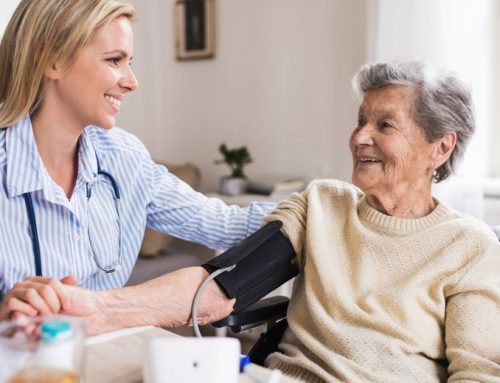
Senior rehabilitation plays an important role in recovery. It focuses on improving strength, mobility, and function after a medical event. Physical therapy, occupational therapy, and sometimes speech therapy all work together to help someone regain their independence.
However, rehab has its limits. For starters, it’s typically short-term and goal-oriented. Once someone’s progress plateaus or their insurance coverage ends, rehab support often decreases. And this is regardless of whether their daily life is actually manageable at home. This is also usually when the gap becomes clear. A senior might be medically stable, but they might also still need consistent help with everyday living. At a senior living community like Sundale, the team can support those needs including assistance with activities of daily living.
Common Signs More Support Is Needed after Senior Rehabilitation
The shift from recovering to needing more support isn’t always obvious at first. It tends to show up in small but noticeable ways that add up quickly.
You might notice things like:
- Difficulty managing medications correctly or consistently
- Increased risk of falls or unsteadiness when walking
- Fatigue that makes basic tasks feel overwhelming
- Trouble with bathing, dressing, or preparing meals
- Missed follow-up appointments or confusion around care instructions
- Subtle memory changes or increased forgetfulness
Individually, these issues might seem manageable. Together, they create a situation where living alone becomes risky, even when independence is still important.
Why Returning Home After Rehab Isn’t Always Best: Discharge Planning
Most people want to go home immediately after a hospital stay. It feels familiar and safe, especially after being in the hospital. However, home environments aren’t always equipped for recovery. Even with occasional help from family or home health services, there are gaps that often show up:
- Care isn’t available 24 hours a day
- The family member doing the caregiving gets stretched thin
- Safety risks like stairs, bathrooms, or uneven flooring are still there
- Isolation slows both physical and emotional recovery
What starts as a short-term solution can become a stressful situation for everyone involved. And improper care after rehab can lead to hospital readmissions, putting everyone right back where they started. Ask the rehabilitation center about discharge planning or consult with the doctors involved to figure out the next steps.
Senior Living Options That Bridge the Gap After Rehab
When rehab isn’t enough and home isn’t the safest option, senior living can provide the support needed for a more stable recovery. The key is choosing the right level of care based on current needs, not just fears about losing independence. Here’s how the different options typically fit into the picture.
Assisted Living
Assisted Living is for someone who can still do most of their day on their own but shouldn’t be doing it alone anymore. That includes a lot of people coming out of a hospital stay.
What our team actually does in the first few weeks looks like this. Before move-in, we get a copy of the discharge summary, and we sit with the medication list. The hospital sent home one list. The rehab facility may have changed it. The primary care doctor may have a different version on file. Someone has to turn those three lists into the one set of pills that actually goes in the bottle. At Sundale, that’s our nurse, not you and not the family member who’s been doing it.
We look for fall risks specific to the individual, not generic ones. Two falls at 6am in the bathroom calls for different planning than a single fall on the stairs. Day to day, residents get help with bathing, dressing, getting to meals, and the daily things that started feeling like more effort than they should.
The piece nobody mentions in the brochures: people recover better around other people. Sitting alone in the living room with the TV on is not what recovery looks like. A schedule, a meal with neighbors, a hallway with someone saying hello in the morning. It sounds small. It isn’t.
Skilled Nursing (Longer-Term Care)
One thing to know before this section: Sundale doesn’t run a skilled nursing facility. Our communities in Huntsville and the Woodlands are Assisted Living and Memory Care. We’ve included skilled nursing here because if it’s what your situation actually calls for, you should know what to look for. If you call us and skilled nursing is the right level of care, we’ll tell you, and we’ll help you figure out where to look next.
If the medical needs involved are more complex or require ongoing monitoring, skilled nursing might be the right fit. This level of senior care includes:
- 24/7 nursing support
- Ongoing therapy services
- Chronic condition management
- Post-surgical care beyond standard rehab timelines
It’s usually the right fit when recovery is slower or there are complications. This level of care can also help prevent hospital readmissions.
Memory Care
If cognitive changes have become more noticeable after a hospital stay, Memory Care offers a secure and structured environment. This type of senior support focuses on:
- Safety and supervision
- Routine and familiarity
- Specialized staff trained in dementia-related care
- Reducing confusion and anxiety
Hospitalization can sometimes accelerate or reveal underlying memory concerns that hadn’t been obvious before. That’s where Memory Care comes in.
How to Choose the Right Next Step After Senior Rehabilitation
Making a decision after a hospital stay can feel rushed, especially when discharge timelines are tight. But taking a step back to think about real needs can prevent another crisis down the road. A more grounded approach to the next steps includes:
- Asking what support is needed every day, not just occasionally
- Putting safety first, especially when it comes to fall risk and medication management
- Being honest about how much the family can realistically provide
- Looking at recovery as a process, not a fixed timeline
The goal isn’t to limit anyone’s independence. It’s to create conditions where recovery can actually continue without setbacks.
A Different Way to Think About Recovery at Sundale Senior Living
If you’re sitting with this decision right now, whether for a spouse, a parent, or yourself, the most useful thing we can offer is a phone call. Not a tour, not a brochure, just a conversation. Tell us what’s going on. We’ll tell you what we think, including whether what’s needed is something other than what we do. Call 936-295-4488 or 281-681-9900. We answer on weekdays and we don’t keep you on hold.